Trophy: A Modern Display Font for Bold Branding and Design
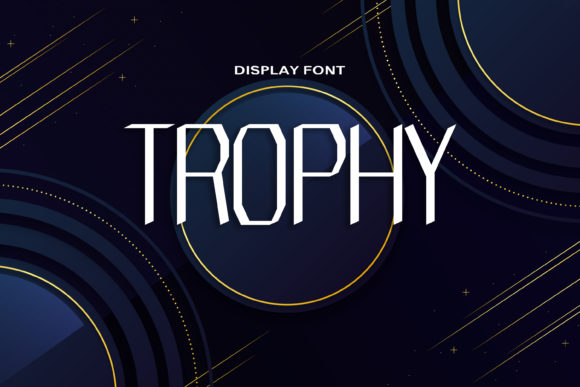
Finding a typeface that balances geometric precision with striking visual impact can transform a good design into a great one. Trophy is a modern display font crafted for exactly this purpose, offering clean lines and a contemporary feel that commands attention without overwhelming the viewer.
This typeface is built for moments where typography needs to make a statement. Its geometric construction gives it a structured, confident appearance, making it an excellent choice for projects that require clarity and modern appeal. Whether you're developing a brand identity or creating eye-catching promotional materials, Trophy provides a solid foundation for professional and polished results.
Where Trophy Shines: Practical Applications
The strength of a display font lies in its versatility across different creative contexts. Trophy excels in several key areas where visual impact is crucial:
- Logo and Brand Identity Design: Its clean geometry helps create logos that are memorable and scalable. The font maintains its integrity across various sizes, from business cards to signage.
- Poster and Editorial Layouts: For headlines and pull quotes, Trophy draws the eye effectively. It works particularly well in magazine spreads, event posters, and book covers where typography plays a central role in the composition.
- Web and App Interfaces: In digital environments, Trophy can be used for hero sections, feature callouts, or navigation elements. Its legibility at different screen resolutions makes it suitable for responsive design projects.
- Packaging and Merchandise: Product labels, apparel graphics, and promotional items benefit from its bold yet refined character. The font helps create packaging that stands out on shelves or in online stores.
- Social Media Graphics: For Instagram posts, YouTube thumbnails, or LinkedIn banners, Trophy helps create scroll-stopping visuals that maintain brand consistency across platforms.
Choosing and Using Trophy Effectively
When integrating any premium font into your workflow, thoughtful implementation makes all the difference. Here are some practical considerations for working with Trophy:
First, consider the mood of your project. Trophy's modern, geometric nature suits contemporary, tech-forward, or minimalist aesthetics particularly well. For projects requiring a more traditional or handwritten feel, you might pair it with a complementary serif or script font for contrast.
Test font pairings carefully. While Trophy works beautifully as a primary display typeface, combining it with a clean sans-serif or serif font for body text creates visual hierarchy and improves readability. The contrast between geometric display fonts and more organic text fonts often produces the most balanced designs.
Always check the available styles and weights. A good display font family often includes multiple variations—light, regular, bold, and sometimes italic options—giving you flexibility for different design elements. Reviewing the full character set ensures it includes all the glyphs and punctuation marks your project requires.
Finally, verify the licensing terms match your intended use. Whether you're creating designs for personal projects, client work, or commercial products, understanding the font's usage rights prevents legal issues and ensures you can use Trophy confidently in all your creative endeavors.
The Value of Thoughtful Typography
A well-chosen font does more than just display words—it communicates personality, establishes hierarchy, and contributes to visual consistency. Trophy offers designers a tool that combines aesthetic appeal with practical functionality. Its geometric foundation provides structure, while its modern styling keeps designs feeling current and relevant.
In a landscape where visual communication moves quickly, having reliable design assets like a thoughtfully crafted display font can streamline your creative process. Trophy gives you a typeface that works across multiple contexts while maintaining its distinctive character, helping you create cohesive visual stories that resonate with your audience.
Ultimately, the right font becomes an invisible yet powerful element of your design toolkit—one that supports your creative vision and helps bring your projects to life with clarity and style.